
Open Loop Cricket: Exclusive Fabrication at Gergen’s Orthodontic Lab
If you want to start with BC Game bet, the fastest path is simple: create an account, deposit funds, then pick one game you can actually explain to a friend. Most people overcomplicate it and end up chasing bonuses instead of learning the basics. Before you place your first real bet, set a small budget and decide what “success” means for your session.
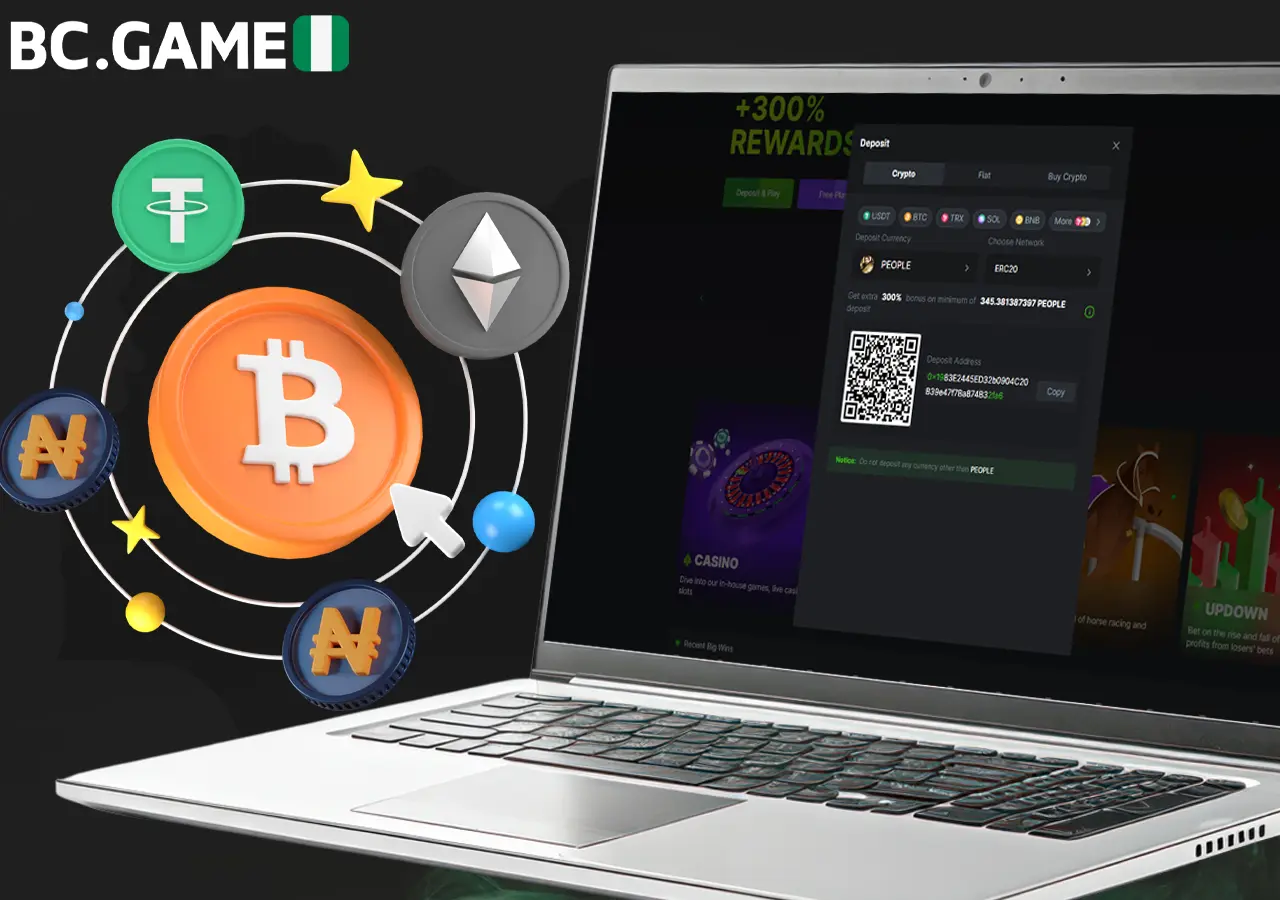
To make getting started smoother, begin by checking the site’s login and deposit flow, because that’s where delays usually happen. If you’re using BCGamebet.ng, verify you can access your wallet section and that the payment method you want shows up before you commit money. Then take a minute to scan the game rules and minimum/maximum limits, since those vary by title and wager type.
Set Up Your Account and Wallet
Create the account and verify access
Start by signing up with a real email address you can access quickly. In practice, the verification step can take anywhere from a few minutes to longer, depending on how the platform handles confirmations. After registration, log in once and explore the menu so you know where deposits, withdrawals, and game history live. You’ll thank yourself later when you need to find a transaction receipt fast.
Fund your wallet with a controlled deposit
Pick a deposit amount you’re comfortable losing, then treat it like training money. Many platforms support multiple payment rails, but the exact options you see can change, so don’t assume cards, crypto, and e-wallets will all be available. A practical approach is to deposit in one attempt, wait for confirmation, and only then start betting. If you run into a delay, contact support early rather than placing repeated deposits that duplicate the same intent.
Also, check whether the platform shows deposit limits per day or per transaction. If it does, use those numbers to plan your session so you don’t hit a cap mid-game. For example, if the minimum wager is small but the daily limit is tight, you might need to concentrate your plays instead of spreading them out.
Use the right settings before you bet
Before placing any wagers, review your game settings like auto-cashout, bet size presets, and any “quick bet” shortcuts. These options are useful, but they can also lock you into a pattern you didn’t intend. To be fair, most mistakes come from speed: people click too quickly after a win or after a losing streak. Slow down for the first five bets, then decide whether faster controls make sense for you.
Learn the Betting Flow: Limits, Odds, and House Rules
Understand minimums, maximums, and payout timing
Every BC Game bet experience depends on limits, so locate the min and max wager range for the game you want. Some titles settle instantly, while others may have a short delay tied to round completion. If payouts appear delayed, don’t assume your bet failed; check the game history panel to confirm the outcome. That habit alone prevents a lot of unnecessary redeposits.
As a rule, start with the smallest allowed stake and keep it steady for a few rounds. Then you’ll see how the platform displays results and whether it updates in real time. For example, if a game shows a rolling chart, watch how long it takes to reflect your last round before you change your strategy.
Pick one game type and stick to it
New bettors often bounce between slots, crash-style games, and table-style wagers in the same session. Instead, choose one category and learn its rhythm. If you prefer quick outcomes, go for games that resolve within seconds; if you like structure, choose something with clearer rounds and visible state. It’s easier to spot patterns in your own behavior when the game rules stay consistent.
Here are a few scenarios that work well for beginners. First, if you’re testing the platform, place five small bets on the same game and record how long each round takes. Second, if you want a budget-friendly session, set a cap such as 20–30 total wagers rather than chasing “big wins.” Third, if you’re coming from sports betting, try a game with straightforward odds display so you can map your intuition to the new format.
Decide your stake plan before you click
Have a stake plan that you can follow without improvising. A common beginner plan is a fixed stake, like 1 unit per round, for a set number of bets, such as 10. Another is a simple loss limit: if you hit a 20–30% drop from your starting balance, you stop. However, avoid doubling strategies unless you’ve practiced them with play money or you’re genuinely prepared for variance.
Notably, the platform may show different odds or payout multipliers depending on bet size. So, when you adjust your stake, do it intentionally and observe the change rather than guessing. A clean way to learn is to adjust only one variable at a time: keep the same number of rounds, then test a slightly larger stake once.
If you’re comparing options inside the lobby, use https://bc-gamebet.ng/ as your reference point for navigation and game availability. That way you’ll spend less time hunting menus and more time understanding how the bet ticket looks before submission.
Place Your First BC Game Bet Safely
Start with a “test round” mindset
For your first session, treat it like onboarding, not like a money-making mission. Place a small wager, watch the confirmation screen, and check that your bet appears in your recent activity. Then let the outcome settle and confirm the wallet balance updates. This is quick, and it prevents the most common “I thought it went through” confusion.
Use bankroll boundaries you can actually follow
Set two boundaries: a session budget and a per-bet cap. For instance, you might decide on a session budget equal to 10–15% of your bankroll and a per-bet cap that’s half of your usual stake. If you hit the session cap early, stop even if you feel “close.” As a rule, discipline beats emotion in the first few weeks.
You can also use a time boundary, like “no more bets after 20 minutes,” especially if you notice you start chasing losses. Many players underestimate how quickly focus drops. If your plan includes a break, take it before you return, not after your next bad click.
Track results and adjust one thing at a time
After each session, glance at game history and note the wager size, outcome pattern, and payout behavior. If you’re logging manually, keep it simple: date, game name, stake per round, and total result. You’re looking for consistency in your own actions, not perfect prediction of outcomes. If a game keeps pulling you into larger stakes, choose a different category next time.
- Example 1: If you win twice then increase stakes, switch back to your original fixed amount and continue for three more rounds.
- Example 2: If withdrawals take longer than expected, reduce deposits until you’re confident about processing time.
- Example 3: If you get confused by bet confirmation, turn off quick-bet features and confirm every ticket manually.
Common Mistakes to Avoid
Chasing losses and changing strategy mid-round
One of the fastest ways to ruin a beginner run is to change your plan after a loss. You’ll start tweaking stake sizes between rounds, which turns learning into randomness. Instead, decide your rule before you play, and only review after the session ends. If you need a reset, take 10 minutes and come back with the same boundaries.
Ignoring limits, fees, and withdrawal expectations
Don’t assume all withdrawals behave the same way. Some methods can be slower, and minimum withdrawal amounts can be higher than the minimum deposit. Check the wallet or withdrawal section early so you know what “cash out” looks like, even if you don’t plan to withdraw right away. That knowledge changes how you size your first deposit.
Overlooking responsible betting habits
Responsible betting isn’t a slogan here; it’s a practical routine. Keep records, set stop points, and avoid playing when you’re tired or irritated. If you notice you’re borrowing funds to continue, that’s a clear signal to pause. Start small, learn the interface, and only scale after you can follow your rules consistently.
When you treat BC Game bet like a system you practice, you’ll move faster than people who only look for hype. The goal in the beginning is simple: understand how bets confirm, how balances update, and how your own decisions affect outcomes. Once those pieces are clear, you can explore more games without losing track of what you’re actually doing.
Related posts


